Automated Liquid Handling System (LHS)


Overview
Features
Application
Software
Specifications
Overview
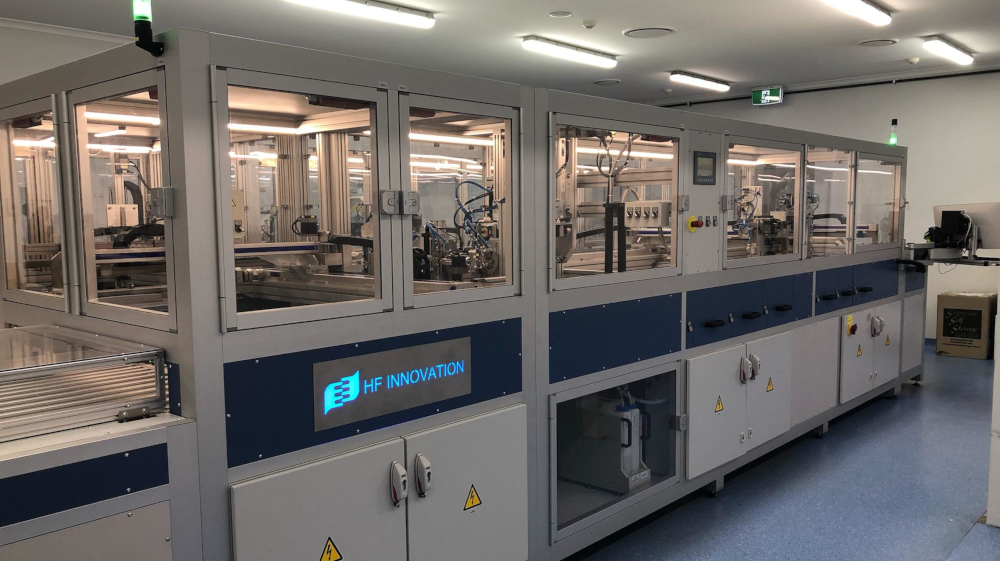
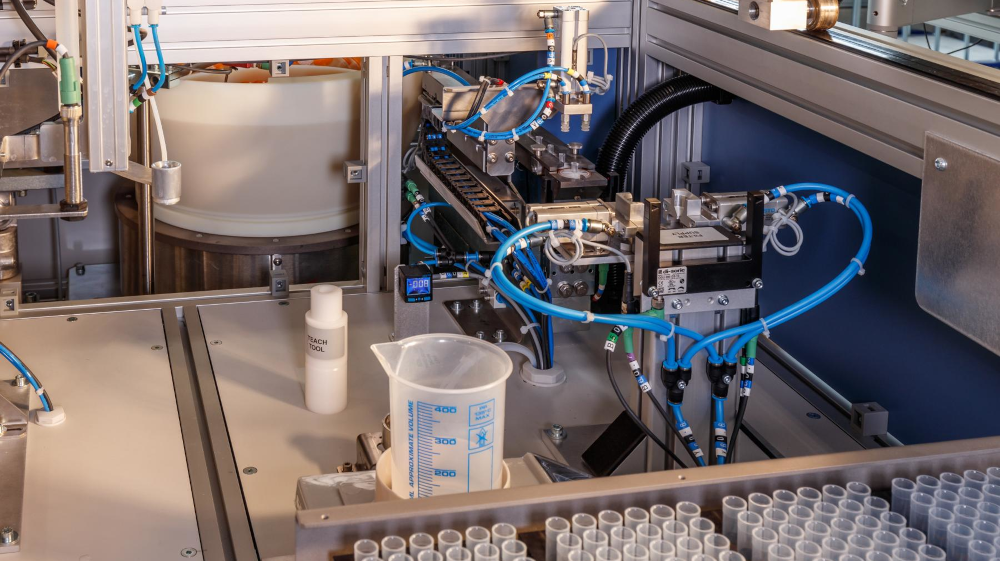
The LHS is a high-throughput automated liquid handling system designed to process incoming environmental water samples from a wide variety of bottle types. It is capable of shaking, pouring, or syringe filtering aliquots into various test tubes and containers, streamlining sample preparation and significantly reducing the manual workload typically associated with environmental sample processing.
To completely eliminate the risk of cross-contamination, the system is strategically divided into two dedicated processing halves: metal samples are handled on the left side, while non-metal samples are processed separately on the right. This physical separation ensures that materials requiring different handling procedures never come into contact with one another at any stage of preparation. This dual-processing design allows the system to handle approximately 600 to 800 samples per day on each side, delivering a level of throughput and laboratory efficiency that would be difficult, if not impossible, to achieve through manual processing alone. Operators simply load sample bottles into the correct lane on the input conveyor belt, and the system takes over from there, preparing samples automatically and significantly reducing manual handling, processing time, and the potential for human error.
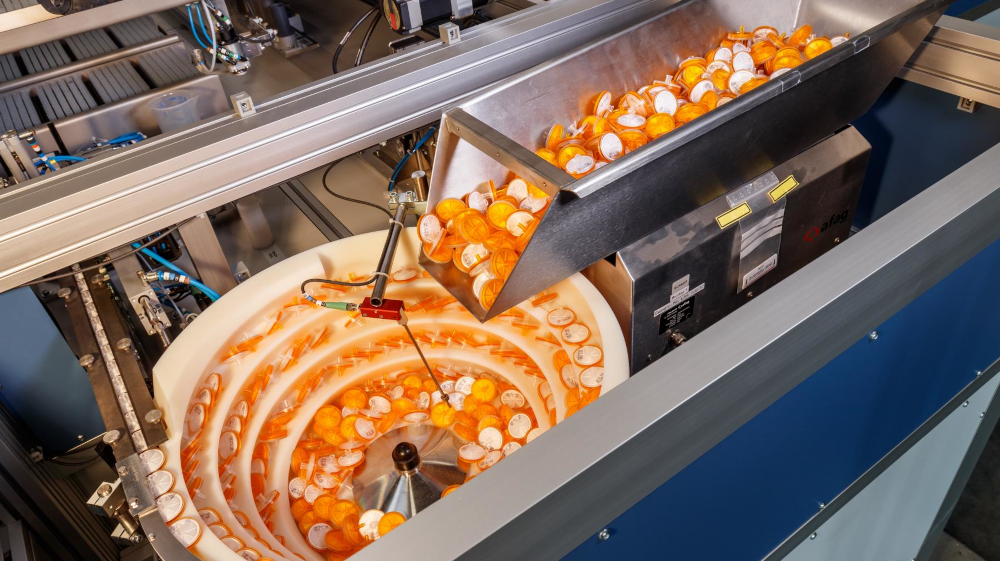
For samples requiring preservation, the LHS can automatically add acid before outputting the samples for a 24-hour digestion period, ensuring consistent, repeatable preservation without the need for operator intervention or manual timing. This automated approach helps laboratories maintain strict adherence to preservation protocols while freeing up staff time for other tasks. The system also streamlines filtration workflows: rather than requiring operators to manually load individual filters, they simply pour Minisart syringe filters into the filter sorter, which automatically sorts and introduces them individually into the automation line to be picked up as needed throughout the day.
Safety is built into every aspect of the system’s design. Throughout operation, all access doors are mechanically interlocked, providing maximum operator safety and ensuring the system cannot run while doors are open. Combined with its high throughput, contamination-preventing dual-lane design, and automated filtration and preservation capabilities, the LHS offers laboratories a comprehensive solution for scaling environmental water sample processing without compromising on accuracy, safety, or compliance.
Features
- Reduces/eliminates operator exposure to:
-
-
- manual handling
- dangerous substances/fumes
- repetitive actions
-
-
- Eliminates risk of sample mix-ups and result errors.
- Excellent precision and accuracy (no variance between operators)
- Frees up operators to perform more complex and valuable tasks.
- Allows unattended processing of samples after hours.
- AS4024 – Safety of Machinery/Performance Level (PL) rated as appropriate.
- Allows easy integration with AUTONOMA’s other modular automation in the future, without costly modifications or engineering.
Application
Operators load sample bottles into the correct lane on the input conveyor belt, where the system automatically transports them for preparation. The LHS can accept four different bottle sizes, ranging from 60ml to 500ml, accommodating the variety of container types typically encountered in environmental sampling. When a bottle reaches the end of the belt, a high-speed XYZ gantry-style robot picks it up and scans it to identify the sample. The system then communicates with the client’s Laboratory Information Management System (LIMS), which specifies the required processing steps, such as the number of aliquots, volumes, or filtering requirements. Alternatively, the LHS can proceed based on pre-programmed recipes when LIMS integration isn’t used. If a bottle isn’t recognized or its barcode cannot be scanned, the system automatically rejects it onto a dedicated reject belt, where operators can process it manually.
Samples that cannot be filtered are automatically flagged for the operator and rejected for manual processing, ensuring problem samples are handled appropriately rather than causing errors downstream. Filter preparation is also fully automated: filters are automatically sorted within the system, eliminating the need for operators to manually load them into racks. Operators simply pour a box of filters into the sorter, and the system orients each one automatically, readying it to be picked up by the syringe when needed.
Once the required aliquots have been dispensed into the correct tubes or containers, the sample bottle is recapped and sent out to the operator for archiving or further processing. When a rack of prepared samples is ready to be taken to the instrument, the operator is notified and can open the corresponding drawer to remove the completed rack. A new rack containing empty tubes or containers is then inserted in its place, allowing the system to continue running without interruption.
Software
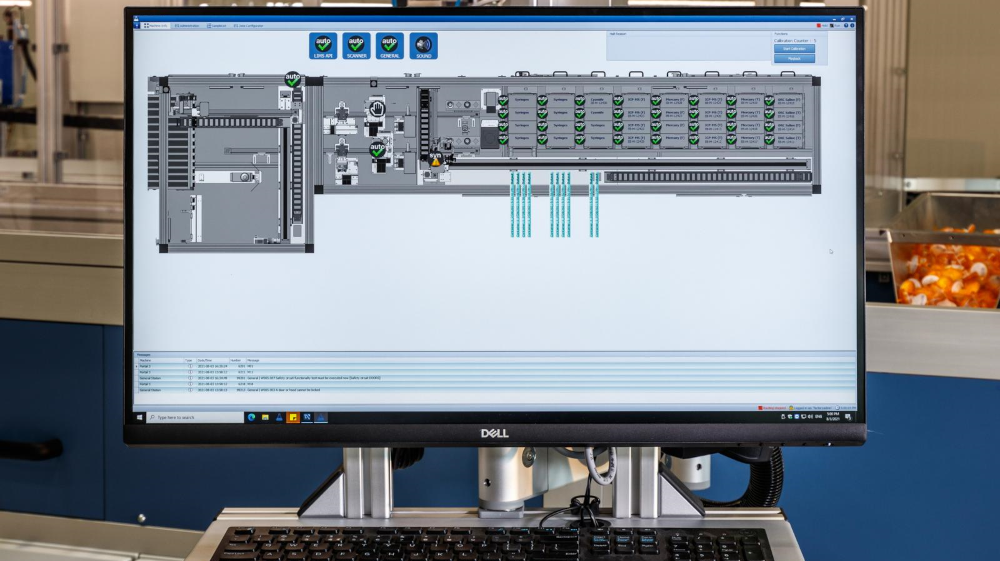
Designed for ease of use and ergonomic operation, the LHS can be controlled via a built-in touchscreen and networked PC, or accessed remotely through a server-based virtual machine running HF Innovation’s LabDroid software, giving laboratories flexibility in how they manage and monitor the system.
The system supports full integration with popular LIMS platforms, including CCLAS, Starlims, LabWare, and SampleManager, simplifying sample registration and reducing manual data entry. Results can be exported in CSV, XLS, or TXT formats, with customizable layouts to match a laboratory’s existing reporting requirements. For laboratories requiring deeper connectivity, API interfaces to LIMS systems are also available, enabling more direct and automated data exchange between the LHS and laboratory management platforms.
Specifications
| Dimensions | 8000 x 3000 x 2100 mm [L x W x H] |
| Mass | ~4000 kg |
| Electrical requirements | 14 A x 400 V, 3 Φ, 50/60 Hz (can be modified upon request) |
| Pneumatic requirements | 50 L/min, 6 – 8 bar |
| Interfaces | Ethernet |
| Daily throughout | 600 – 800 samples per 24h |
| Options |
|