Postage Bottle Decapper
Overview
Features
Application
Software
Specifications
Overview
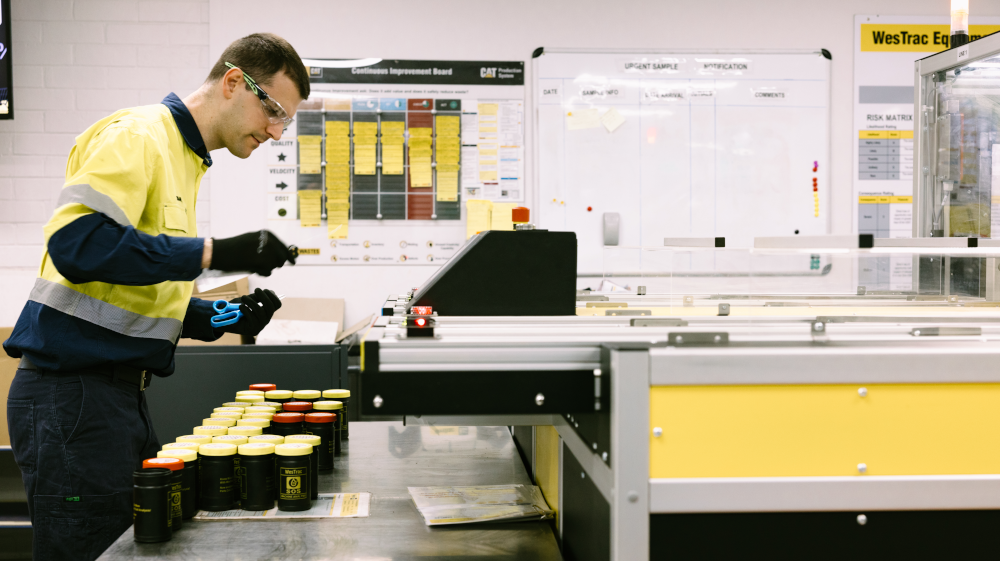
The Lightning Automated Robotic Bottle Decapper is a fast and highly efficient robotic decapping solution developed by AUTONOMA, specifically engineered for decapping the postage containers used to hold and transport sample bottles. Manual decapping of these containers is one of the more persistent operational bottlenecks in high-throughput laboratory environments, a repetitive and physically demanding task that consumes valuable staff time and contributes to repetitive strain injuries among laboratory personnel over extended periods of routine operation.
By automating this process, the Lightning Decapper removes the manual effort from what is otherwise a necessary but low-value stage of the laboratory workflow, freeing staff to focus on analytical and higher-value tasks while the system handles decapping at speed and at scale. The result is a meaningful improvement in throughput, a reduction in the ergonomic risk to laboratory personnel, and greater consistency in the handling of sample containers prior to analysis.
The system is specifically designed for high-throughput postage container processing and is built to perform reliably under the demands of continuous laboratory operation. For laboratories seeking a more comprehensive workflow solution that extends beyond decapping to include sample transfer, recapping, and archiving.
Features
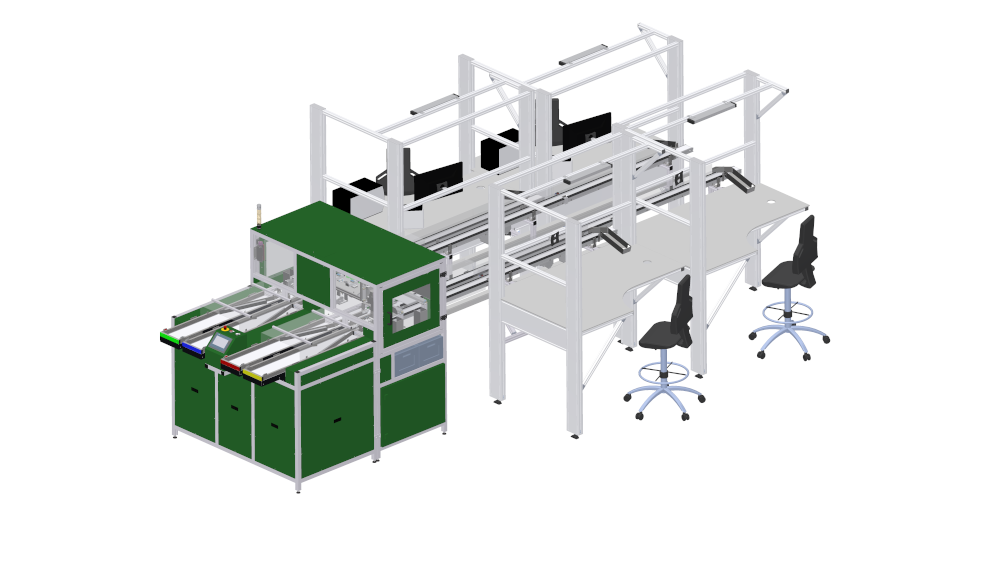
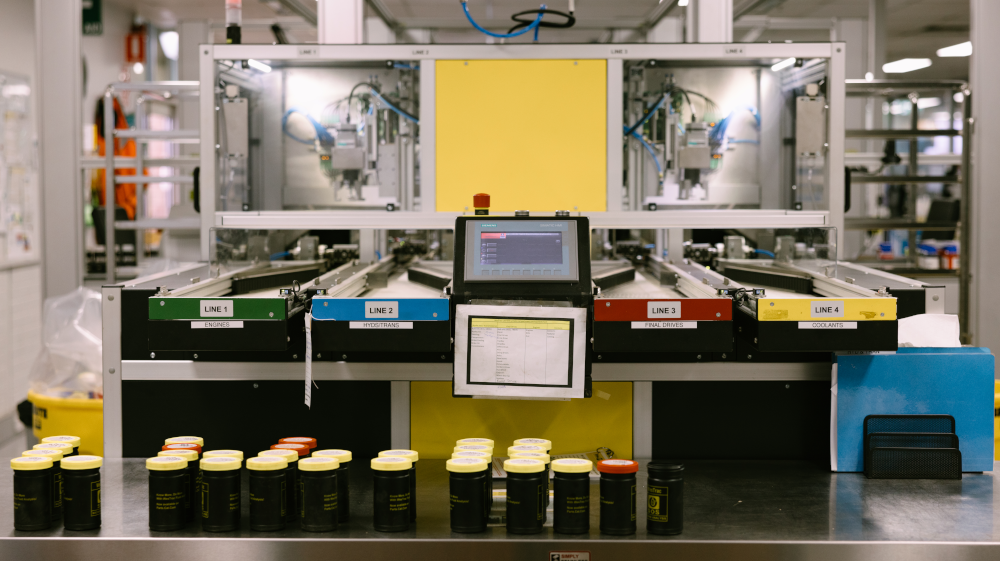
The Lightning Decapper is built on a modular architecture that supports configurations with one, two, four, or more decapping lanes, allowing laboratories to match the system’s capacity to their current throughput requirements and expand it over time as operational demands grow. This scalability also enables straightforward interfacing with AUTONOMA’s broader NextGen laboratory automation ecosystem, including automatic sample registration via QR code, barcode, or RFID. Once registered, samples on the output belts can be transferred directly via a robotic arm into a mixer or the first instrument in the analytical sequence, such as AUTONOMA’s Lightning PQ, creating a seamless and fully connected sample preparation and analysis workflow.
The system is also designed with customisation in mind, allowing additional features and sample preparation steps to be incorporated to suit the specific analytical requirements of each laboratory. These can include a camera system for photographing the side and bottom of sample bottles for visual inspection and documentation, sample bottle decapping, FTIR analysis, viscometry, sample aliquoting and dilution for ICP and IC analysis, aliquoting into test tubes, turbidity measurement, colour analysis, crackle testing, and TAN and TBN determination. This flexibility means the Lightning Decapper can serve as the entry point for a highly tailored automated laboratory workflow, rather than a standalone decapping unit, adapting to the evolving needs of the laboratory without requiring a complete system rebuild as new analytical requirements emerge.
Application
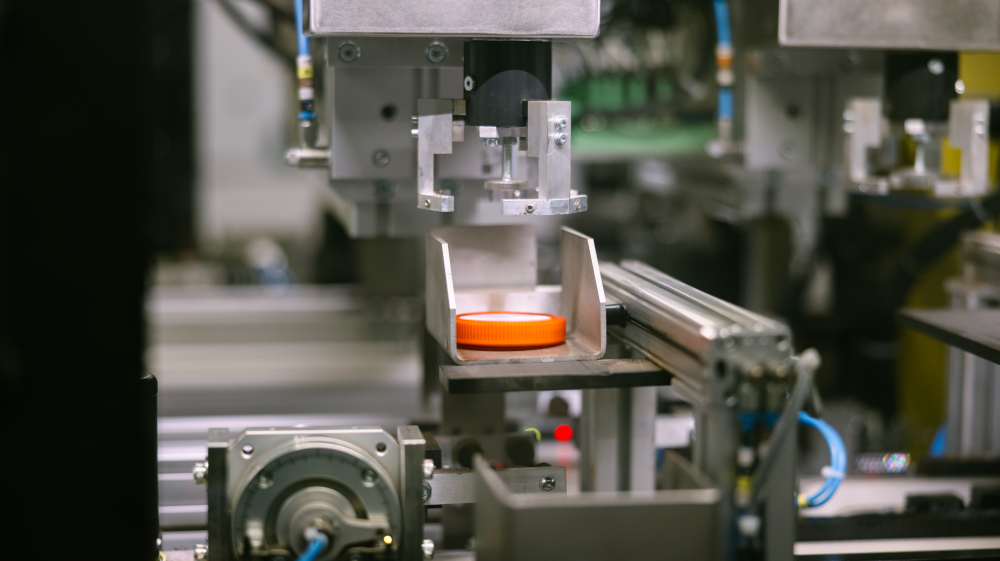
The Lightning Decapper is available in configurations featuring one, two, or four separate belts, with operators simply loading postage containers directly onto the belt to begin the process. Each lane operates its own independent decapping mechanism, ensuring maximum throughput and built-in redundancy so that the system can continue processing if one lane requires attention. The decapping mechanism automatically unscrews each lid and deposits it into a collection bucket for recycling, removing the need for any manual intervention during the decapping cycle.
Once decapped, containers move through the system onto the output belt, which transports them to a workstation for sample registration. Each output belt leads to a dedicated workstation where an operator registers samples into the LIMS and builds trays for analysis. These workstations are ergonomically designed to support efficient and comfortable operation, reducing physical strain on staff during what would otherwise be a high-repetition manual task across a full working shift.
Each lane is capable of processing a sample in approximately 10 seconds, equating to more than 8,600 samples per lane per day. For laboratories running multi-lane configurations, this throughput scales accordingly, making the Lightning Decapper a practical solution for facilities processing very high sample volumes on a continuous basis. The system is operated through a built-in touchscreen interface that is straightforward to navigate, minimising training requirements and allowing operators to manage the system efficiently from the outset. Safety is addressed throughout the design, with all doors mechanically interlocked during operation to prevent access to moving components while the system is running.
Software
The Lightning Decapper is designed for straightforward, ergonomic operation that requires minimal training and no complex setup procedures. The system is controlled entirely through a built-in touchscreen interface, keeping the operator experience simple and consistent across shifts and personnel, regardless of prior automation experience.
To begin processing, operators simply load bottles onto the lane of their choice, and the system starts automatically, handling the entire decapping cycle from that point without any further intervention required. This fully automatic initiation removes unnecessary steps from the workflow, eliminating the need for manual start commands or ongoing supervision. As a result, laboratory staff are free to focus their attention on sample registration and downstream analytical tasks, rather than monitoring the decapping process itself, improving overall efficiency across the laboratory.
Specifications
| Dimensions | ~6400 x 3600 x 2200mm [L x W x H] (4 lane version) |
| Mass | ~680 kg (4 lane version) |
| Electrical requirements | ~1 kVA at 230 V, 1 Φ, 50/60 Hz (can be modified upon request) |
| Pneumatic requirements | 6-10 bar |
| Daily throughout | >8,600 samples per lane per 24h |
| Options |
|