EQP-210 Semiautomatic Pellet Press
Overview
Features
Application
Software
Specifications
Overview
Here’s the rewrite:
The EQP-210 is a semiautomatic hydraulic pellet press designed to produce high-quality, homogeneous, and stable pellets for analytical applications including X-ray fluorescence (XRF) and Fourier-transform infrared spectroscopy (FTIR). Built for laboratories that require reliable and repeatable sample preparation, it combines semiautomatic operation, programmable control, and a robust mechanical design to deliver consistent pellet quality across demanding daily workloads.
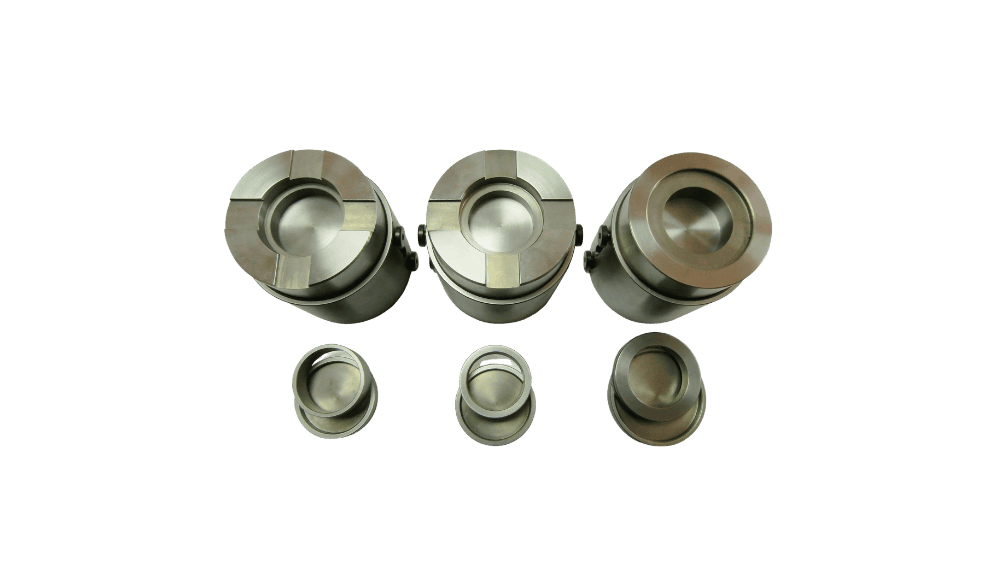
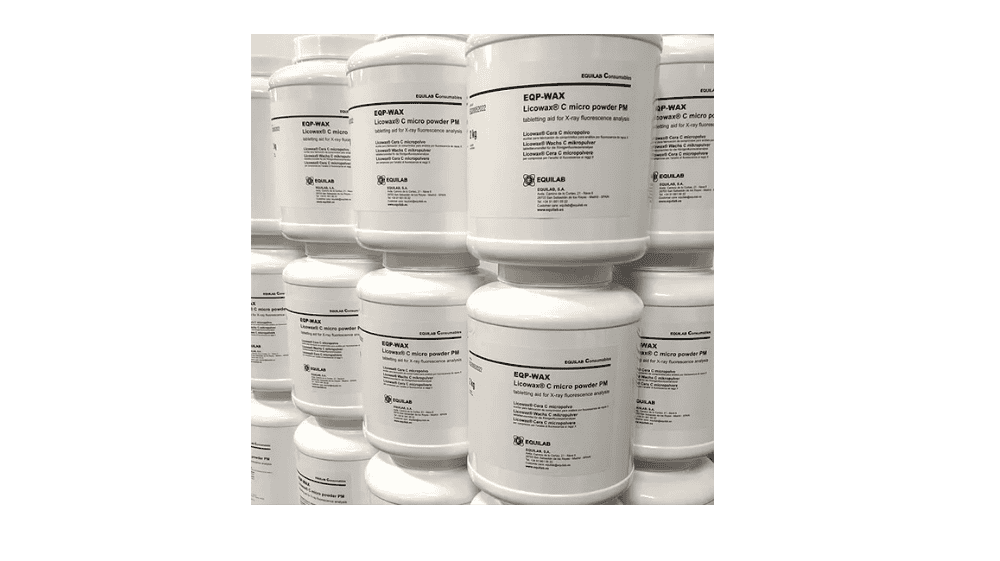
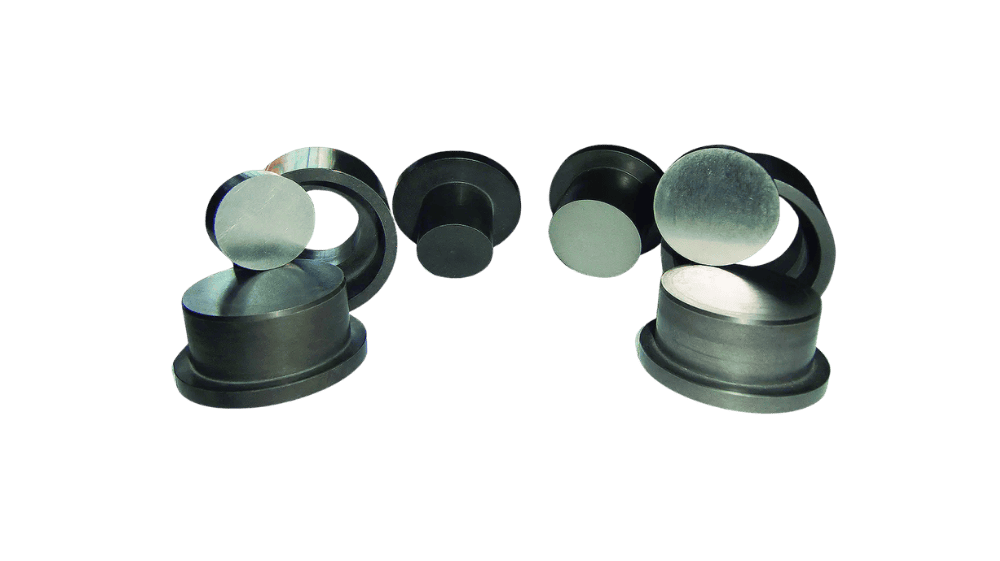
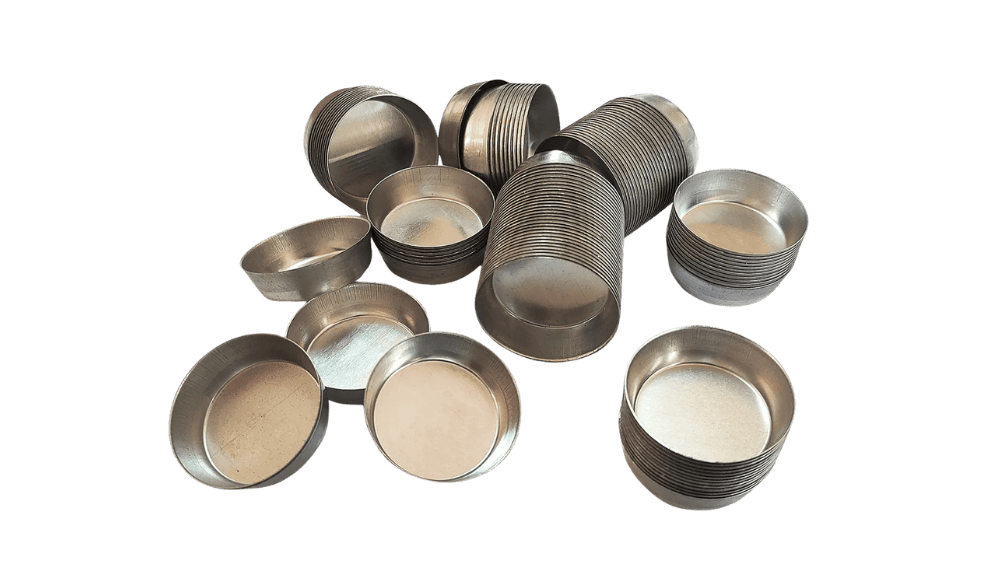
Pellet uniformity has a direct bearing on the accuracy of analytical results, and the EQP-210 addresses this through a controlled hydraulic pressing process that compacts powdered samples into dense, cohesive pellets suitable for a wide range of analytical techniques. The system is compatible with all EQUILAB pressing tools and supports tool diameters ranging from 8 mm to 40 mm, providing the flexibility to prepare pellets of various sizes to suit different sample types and analytical requirements. Pellets can be produced with or without binding agents such as wax or boric acid, and the pressing force of up to 40 tons ensures effective compaction and structural stability across a broad range of materials.
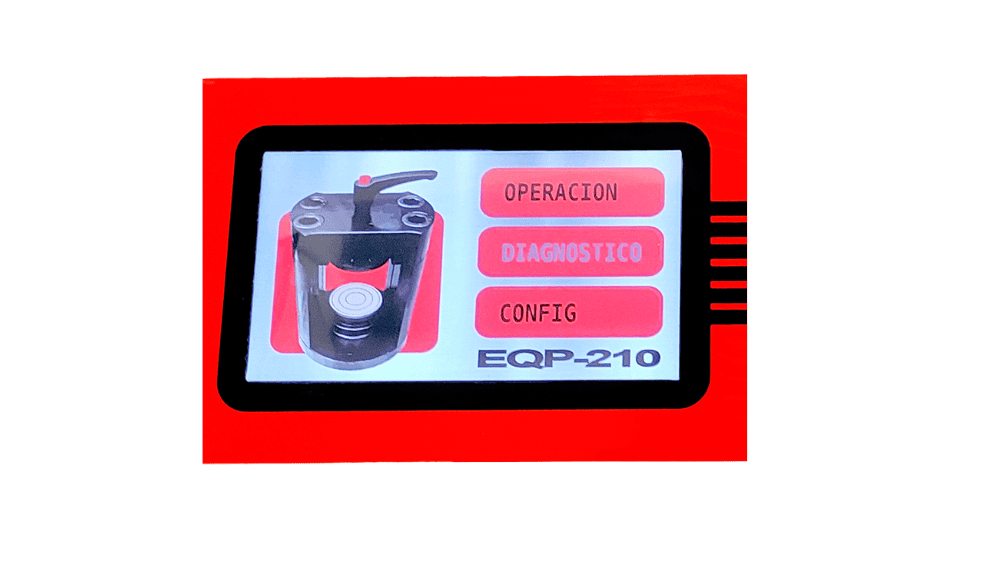
Up to five programmable working programs can be stored and recalled through the integrated 7-inch full-colour touchscreen interface, allowing operators to configure pressing parameters quickly for different sample types and analytical methods. The touchscreen provides a modern and intuitive control experience that reduces setup time and helps maintain consistency across batches. Both single-cycle and double-cycle pressing modes are supported. The double-cycle option is particularly useful for samples containing occluded gases, as it performs two compression stages within the same cycle, allowing trapped gases to escape between pressing phases. This process prevents cracks, surface irregularities, and structural weaknesses in the finished pellet, resulting in higher quality samples and more reliable analytical measurements.
A notable feature of the EQP-210 is its exclusive pressing tool exchange system, developed specifically for EQUILAB presses. This system allows operators to quickly interchange specialised tools for additional laboratory tasks including cutting, crushing, punching, and the preparation of steelworks test tubes. This capability extends the functionality of the press well beyond standard pellet preparation, making it a versatile instrument for multiple laboratory operations from a single platform.
Safety is addressed through a cabinet constructed from aluminium and polycarbonate that protects the operator while maintaining clear visibility of the pressing area. An encoded open-door detection system prevents the press from operating while the cabinet is open, providing an additional layer of operational security during routine use.
The EQP-210 is capable of producing up to 30 pellets per hour, making it well suited to laboratories with moderate to high sample preparation requirements. Its combination of pressing capacity, programmable controls, versatile tooling options, and durable construction makes it a reliable long-term solution for analytical laboratories, research facilities, and industrial quality control environments where consistent pellet quality and workflow efficiency are ongoing priorities.
Features
-
Semiautomatic hydraulic press for laboratory pellet preparation
-
Maximum pressing force of 40 tons
-
Compatible with all EQUILAB pressing tools
-
Supports pellet diameters from 8 mm to 40 mm
-
Suitable for XRF and FTIR pellet preparation
-
Exclusive pressing tool exchange system for additional tools
-
Supports crushing, cutting, and punching tools
-
Up to 5 programmable pressing programs
-
Single-cycle and double-cycle pressing modes
-
Double pressing cycle removes occluded gases to prevent pellet cracks
-
7-inch full-color touchscreen interface
-
Safety cabinet with open-door detection system
-
Robust and durable laboratory design
-
Reliable and repeatable pellet preparation
Application
The EQP-210 Semiautomatic Pellet Press is widely used for sample preparation in laboratories across multiple industries, including:
-
Cement industry laboratories
-
Metallurgy laboratories
-
Thermal power plants
-
Environmental laboratories
-
Material recovery industry
-
Recycling industry
-
Geology and mineralogy laboratories
-
Ceramics industry
-
Industrial and research laboratories
Typical sample preparation uses include:
-
Pellet preparation for XRF analysis using binding agents such as wax or boric acid
-
KBr pellet preparation for FTIR analysis
-
Laboratory sample compaction and preparation
-
Sample cutting, crushing, and punching using specialized tools
Software
The EQP-210 is equipped with an advanced digital control system operated through a 7-inch full-colour touchscreen interface. Operators can configure and store up to five programmable pressing programs, select between single-cycle and double-cycle pressing modes, and adjust operation time and pressing parameters to suit the specific requirements of each sample type. A digital manometer provides continuous pressure monitoring throughout each pressing cycle, giving operators clear visibility over the process and supporting consistent, repeatable results across every batch.
The touchscreen interface is designed to simplify laboratory workflows by reducing the time and effort required to set up, adjust, and switch between pressing programs. For laboratories preparing a variety of sample types on a routine basis, the ability to store and recall optimised settings quickly is a practical advantage that contributes to both productivity and the reliability of analytical results.
Specifications
| Working principle | Pressure |
| Applications | Cement industry, metallurgy, thermal plants, environmental laboratories, material recovery industry, recycling industry, geology and mineralogy, ceramics industry |
| Samples | Pellet preparation for XRF (wax, boric acid as binding agent); pellets for IR analysis with KBr |
| Pressing tools | Standard diameters 32 mm and 40 mm; from 8 mm to 35 mm on demand |
| Additional tools | Crushing, cutting, punching, other specialized tools |
| Maximum working pressure | 40 T |
| Safety cabinet | Yes, aluminium / polycarbonate |
| Open door detector | Yes, encoded |
| Performance | < 30 pellets per hour |
| Programs | Programmable, up to 5 programs |
| Double cycle pressing | Yes |
| Operation time | Configurable (seconds) |
| Pressure control valve | Yes |
| Pressure release valve | Yes, overpressure valve |
| Manometer | Digital |
| Working temperature | 10°C – 35°C |
| Start-up button | Yes |
| Cam switch | Yes, with handle for lock |
| Screen | 7-inch full-color touchscreen |
| Piston stroke | 53 mm |
| Lower pressing area diameter | 80 mm |
| Upper pressing area diameter | 80 mm |
| Distance between pressing areas (max) | 84 mm |
| Distance between pressing areas (min) | 31 mm |
| Width pressure area | 95 mm |
| Depth pressure area | 290 mm |
| Hydraulic board Pmax | 440 bar |
| Power supply | 220 VAC, 50 Hz (single phase) |
| Engine | 550 W |
| Maximum power | 700 W |
| Protection type | IP20 |
| Safety / Certification | CE; UKCA |
| Dimensions | 400 (H) × 510 (W) × 420 (D) mm |
| Weight | 75 kg |