Cross-Belt Sampler

Overview
Features
Application
Software
Specifications
Overview
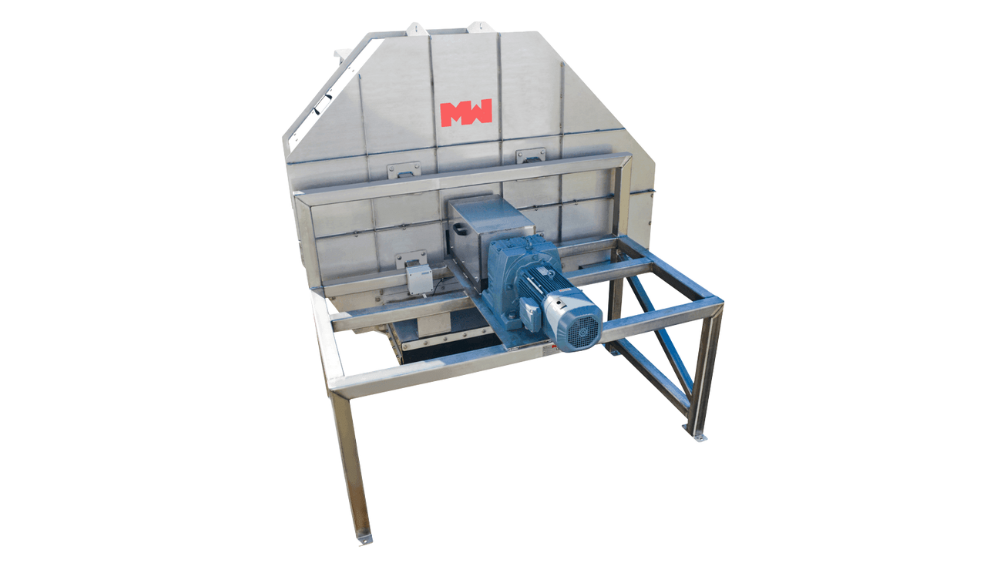
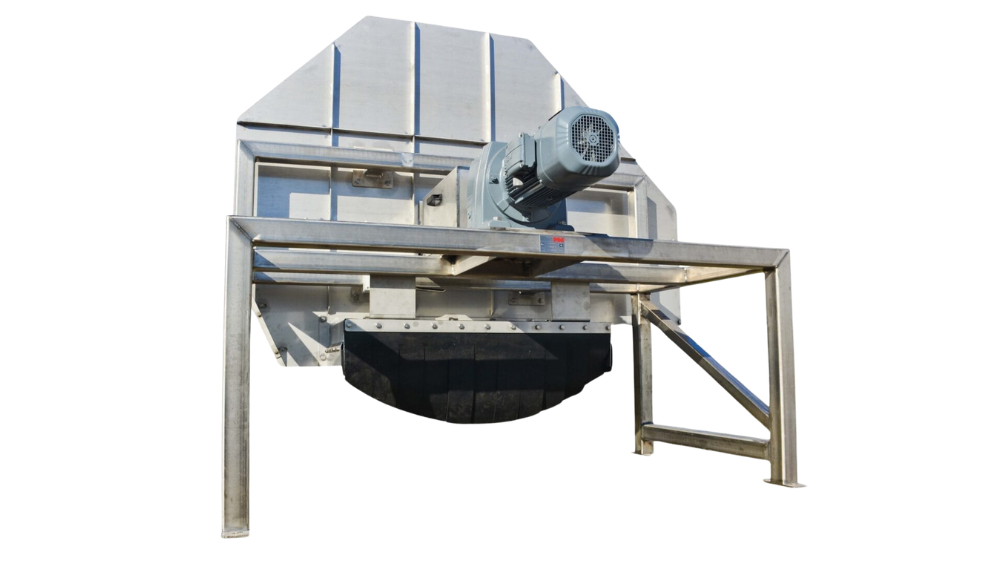
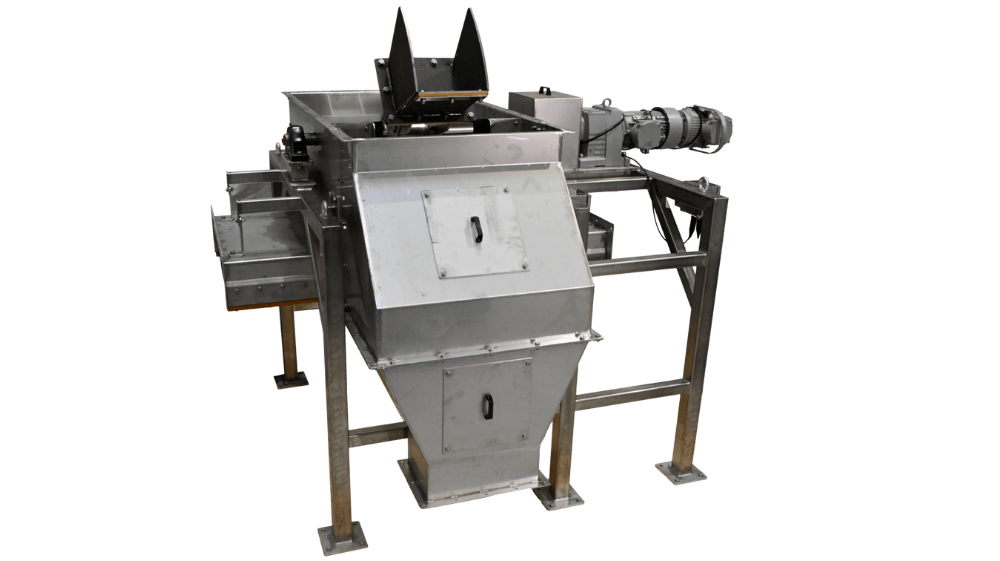
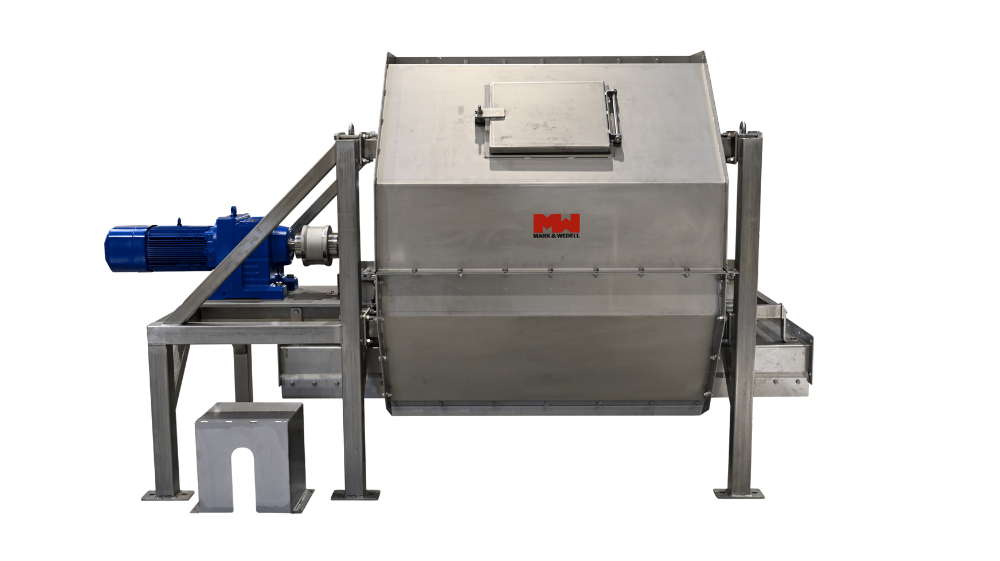
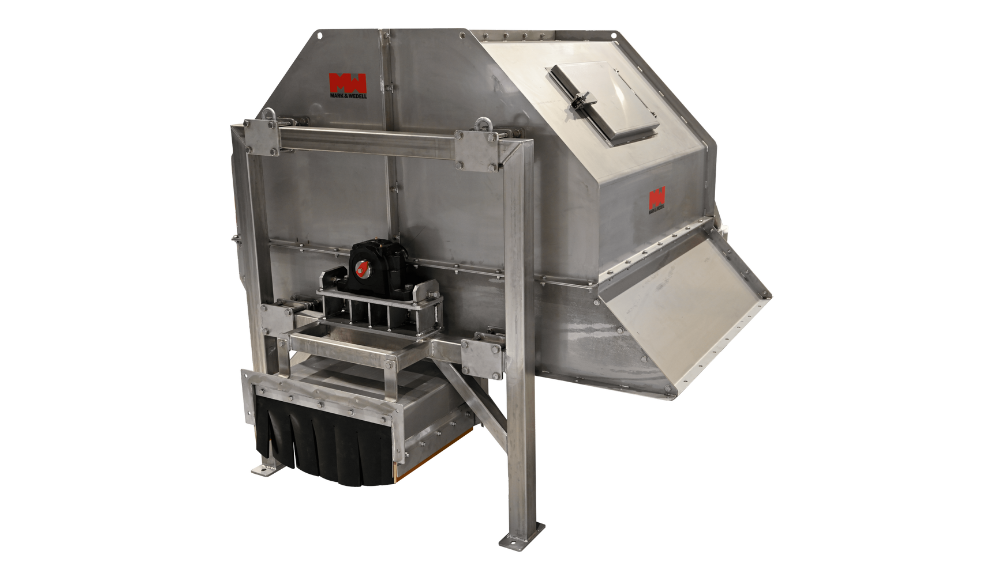
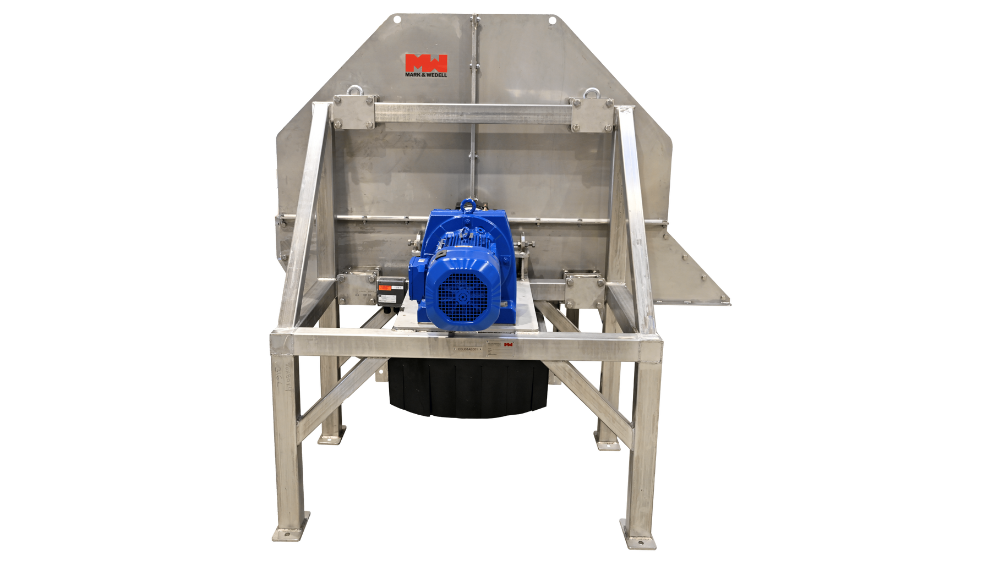
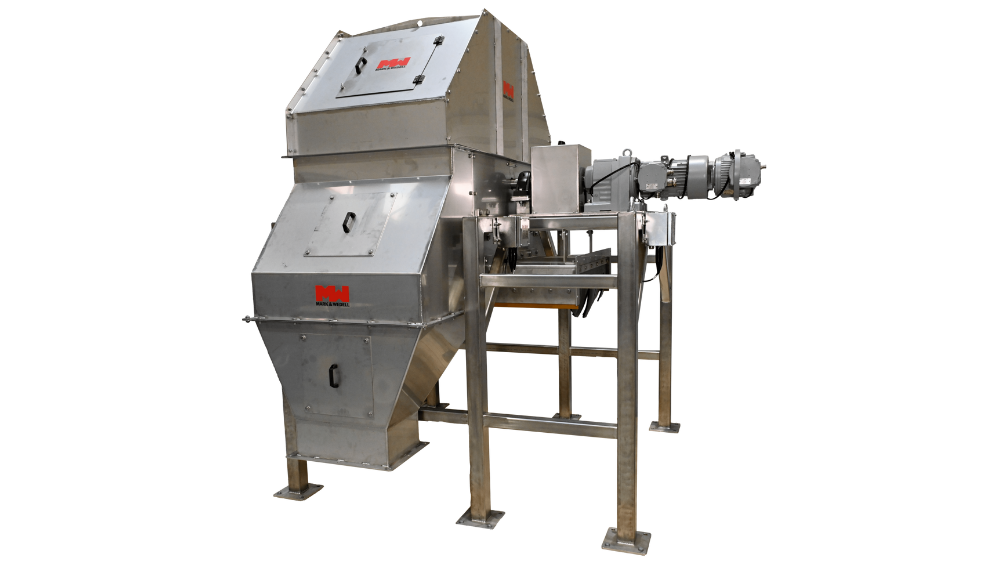
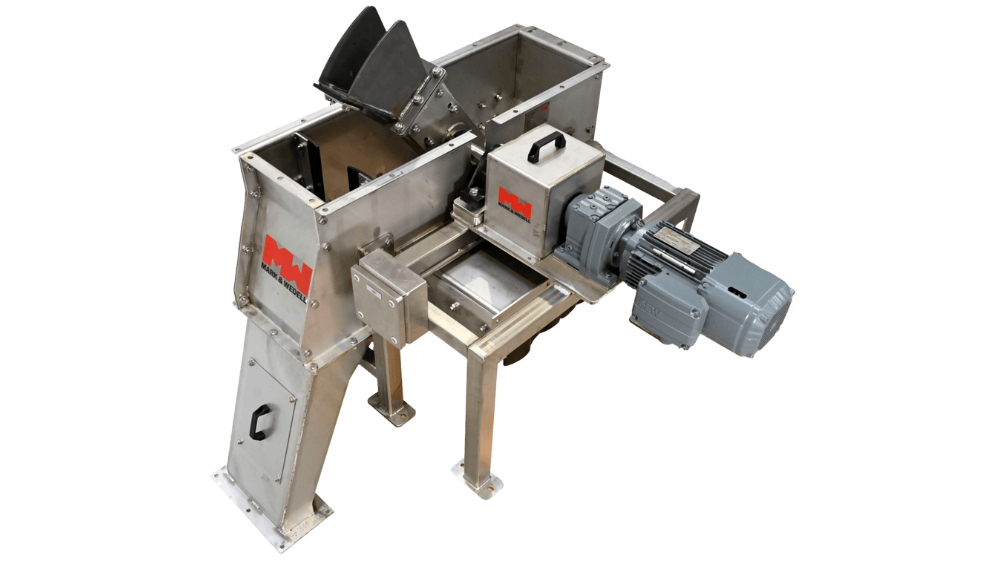
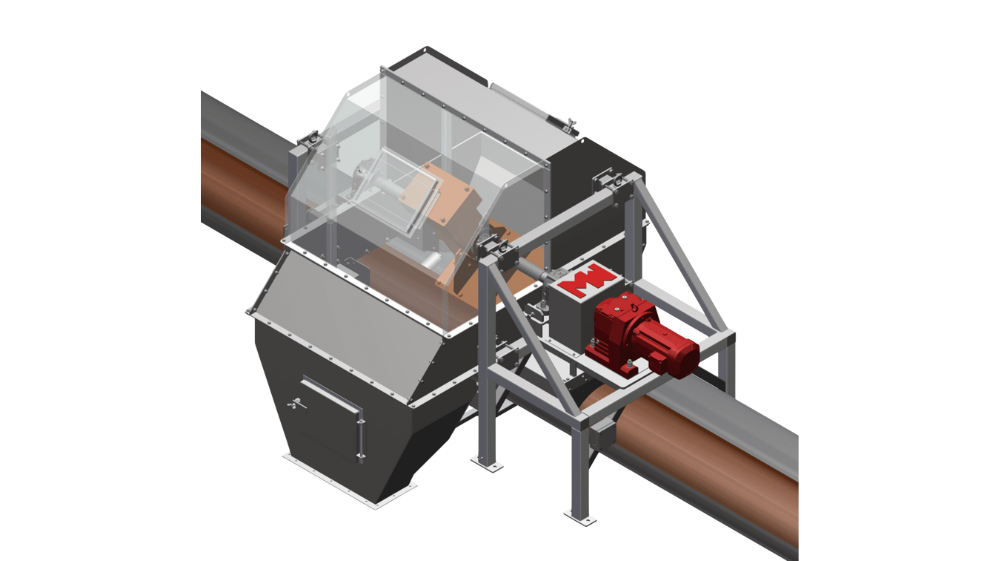
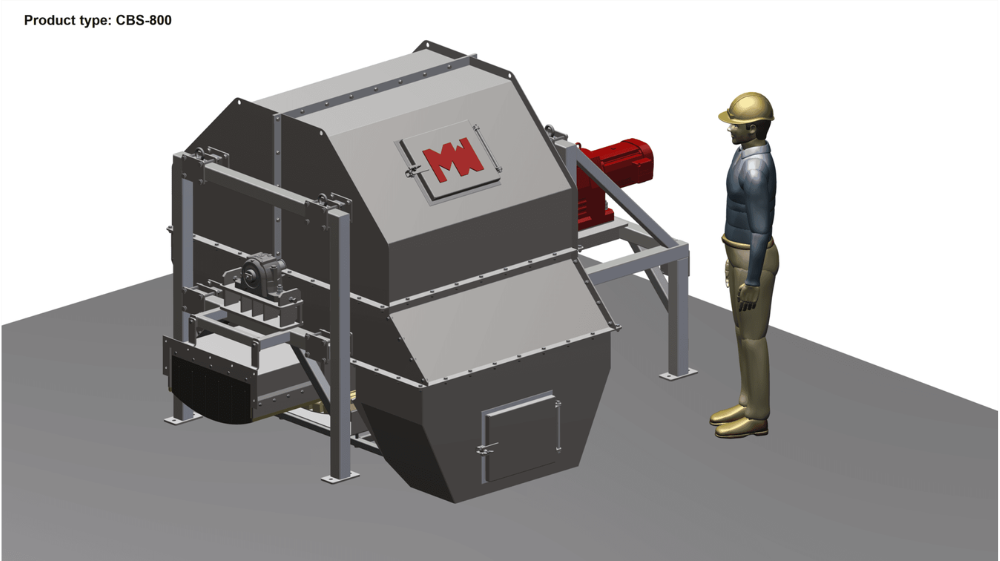
The Cross-Belt Sampler is the new and improved hammer sampler, engineered to extract an increment, or cut, directly from bulk materials as they move along a conveyor belt. It offers a modern, more reliable alternative to traditional hammer-style samplers, delivering consistent performance in continuous conveying applications.
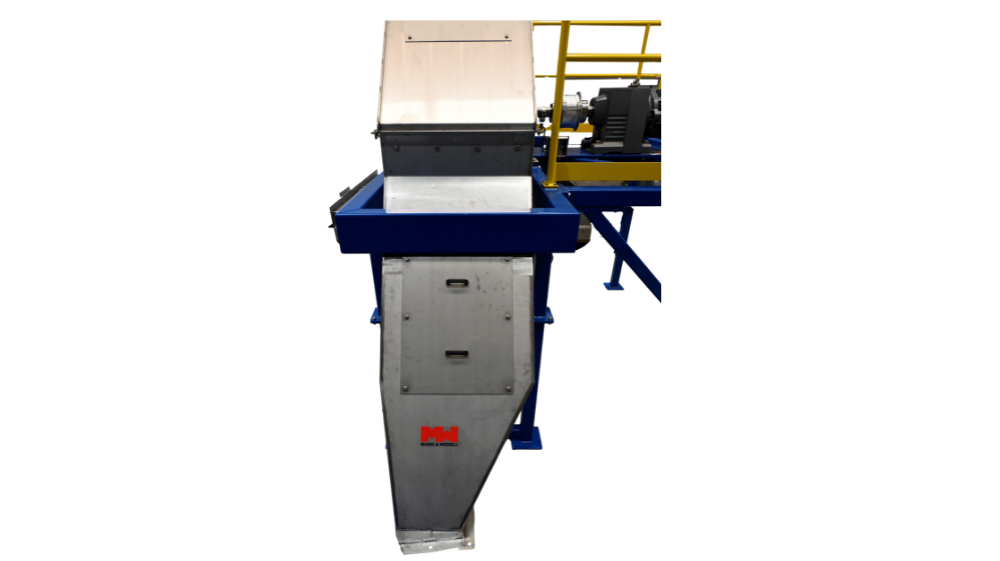
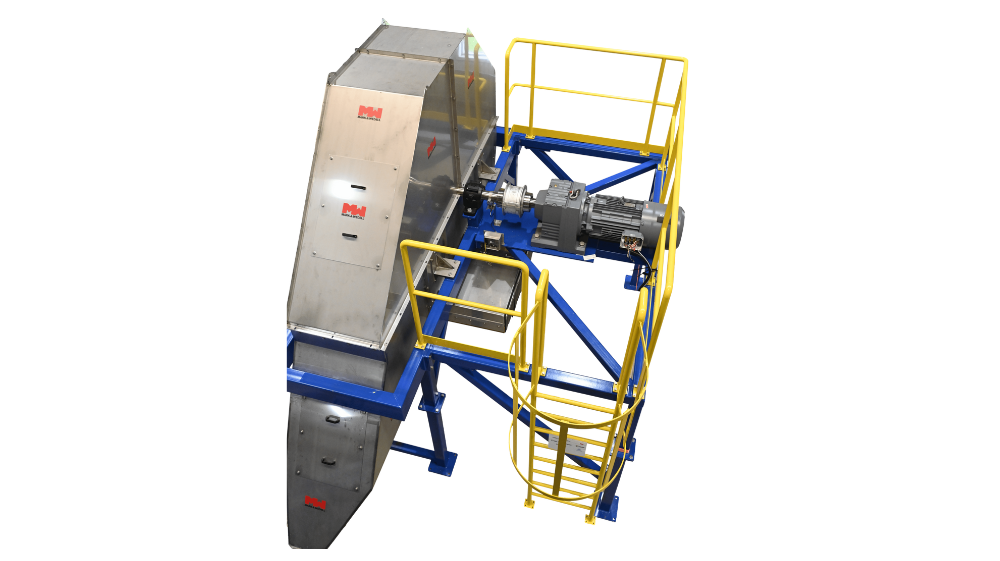
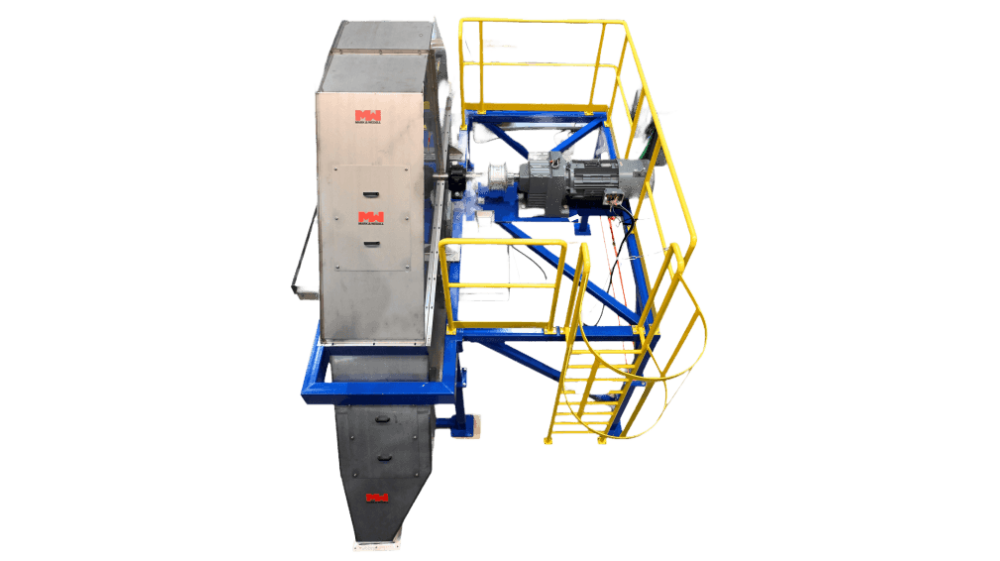
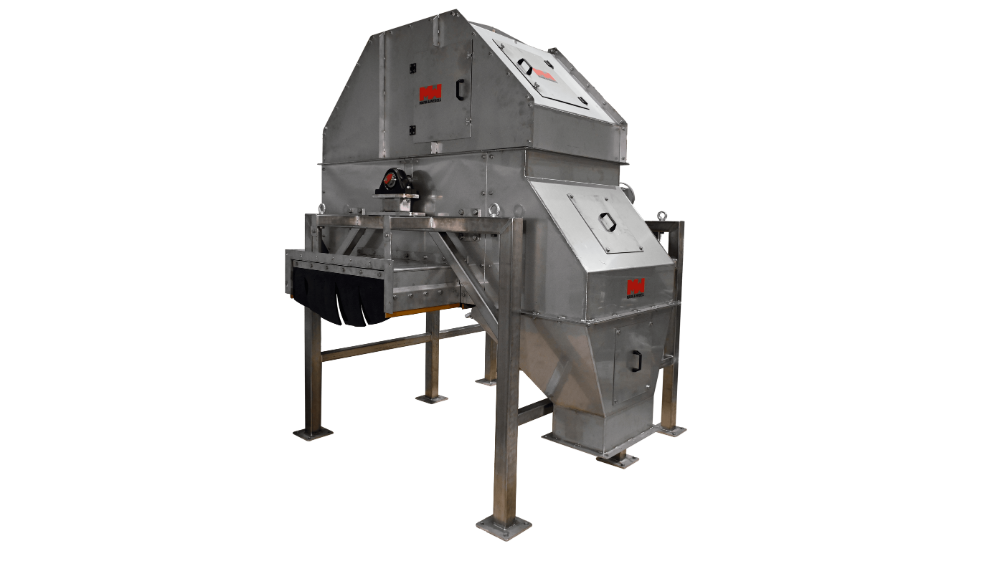
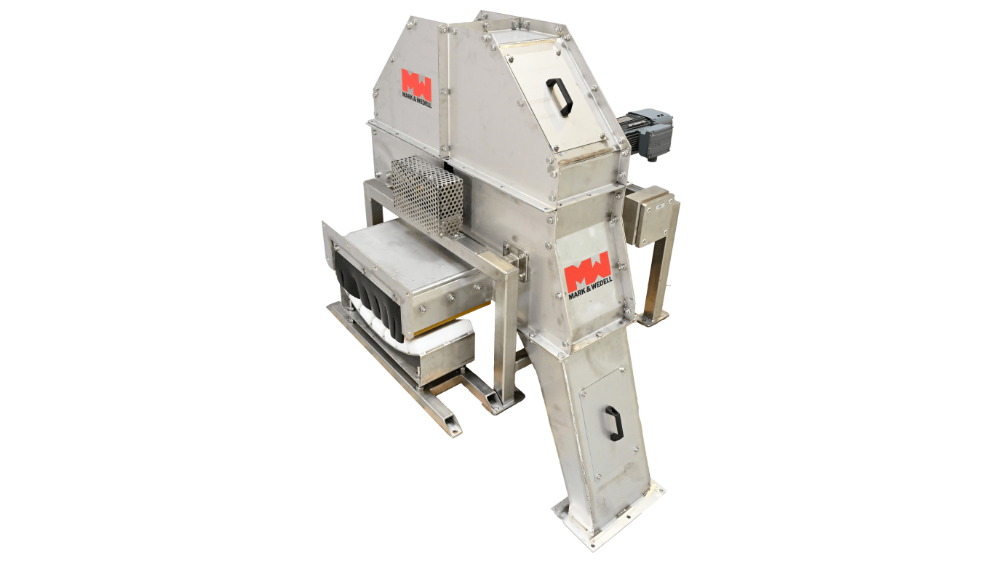
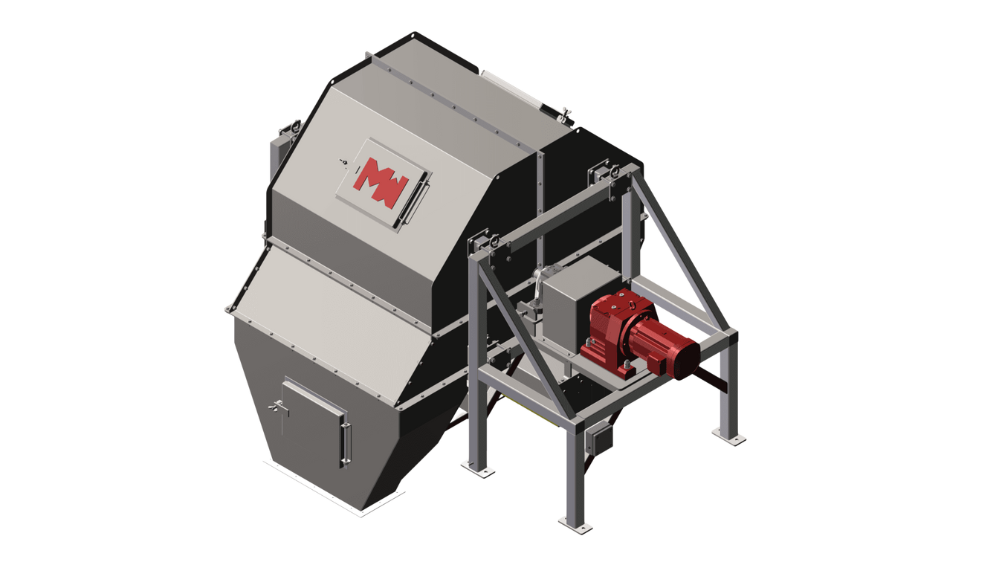
The system features a fully enclosed housing that covers all moving parts, reducing the risk of material spillage while significantly improving operator safety. This enclosed design also helps protect internal components from dust, debris, and environmental exposure, supporting reliable, long-term operation in demanding industrial environments.
Features
The Cross-Belt Sampler (CBS):
- Is a cost-effective sampling solution.
- Can be customized to the client’s specific installation and material.
- Is easy to install almost anywhere along a conveyor belt.
- Is well suited as a retrofit sampler/ can be integrated on existing conveyor belts.
- Eliminates the need for hazardous and manual grab sampling and increases employee safety.
- Saves time and money allowing for sampling without belt stoppage.
- Can be modified to remove identified unwanted magnetic/metallic material from the conveyor belt.
- Meets ISO, ASTM & GOST standards.
Application
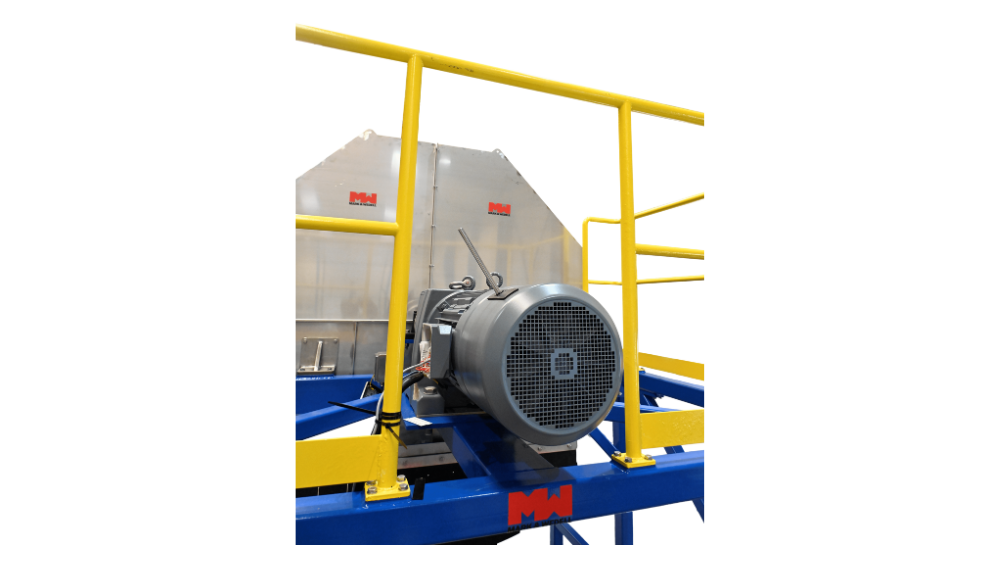
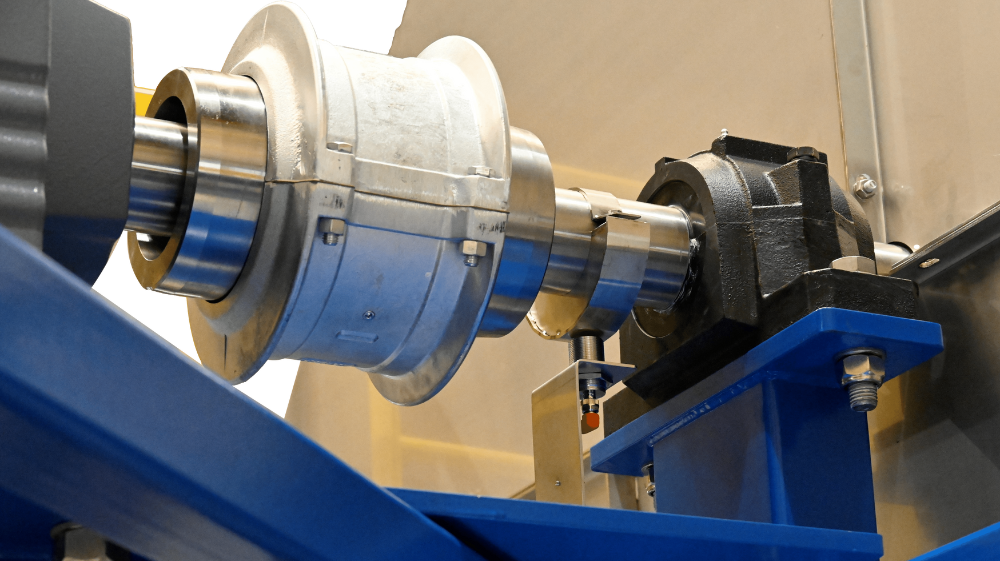
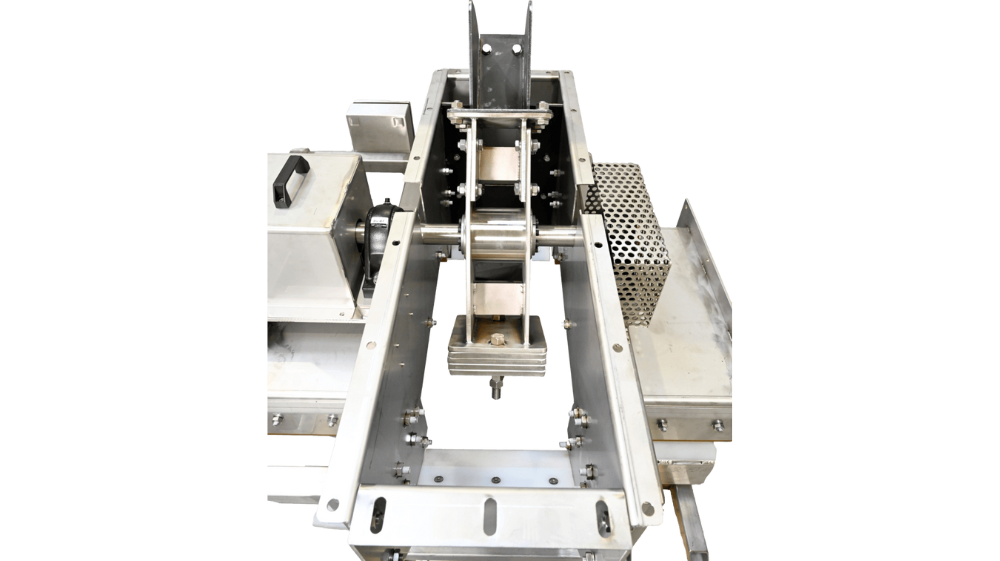
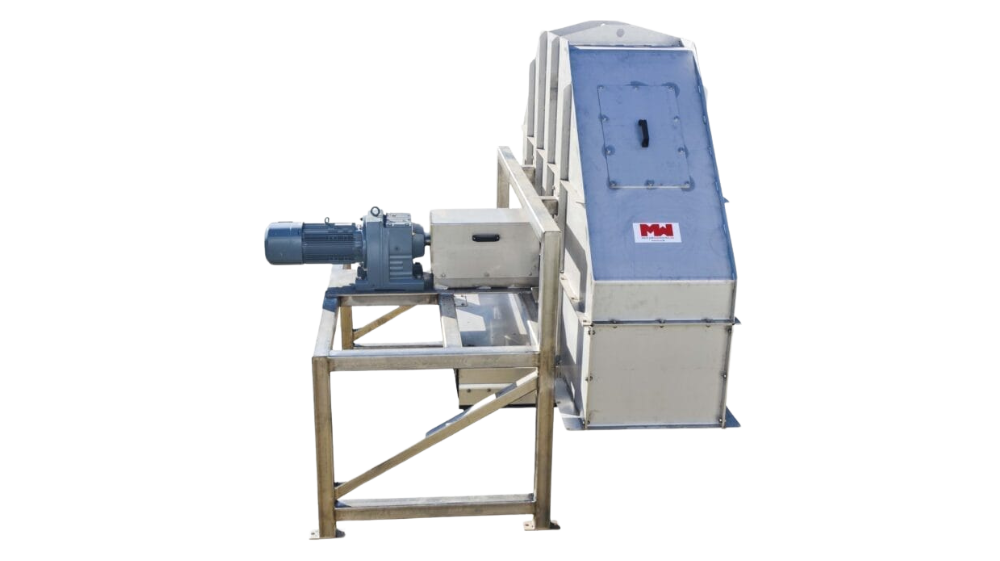
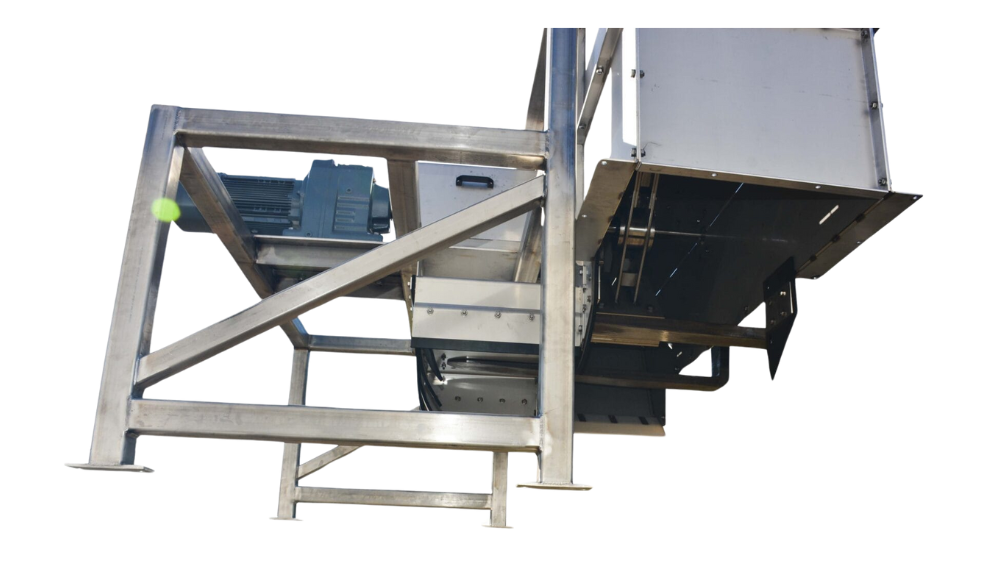
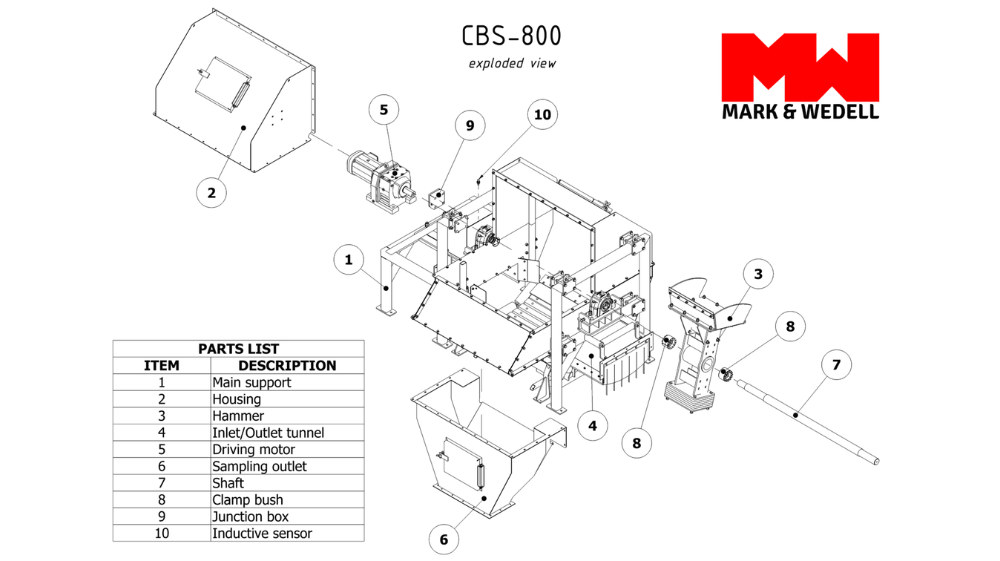
The sampler consists of a rotating, counter-weighted sample cutter that moves in a full 360-degree motion perpendicular to the direction of material flow. The cutter is driven by a gear brake motor, while a dedicated guiding section supports the conveyor belt through the cutting zone. The cover housing is equipped with hatches that allow for easy inspection, cleaning, and maintenance, helping to keep downtime to a minimum.
When triggered, either automatically or manually, the sample cutter is accelerated by the electric motor to its designated operating velocity. It then cuts through the material stream on the conveyor belt in a circular motion, following the supported shape of the belt as it travels. The conveyor belt itself is supported and guided by a pair of inclined rollers or guiding plates, which ensure the sample cutter maintains maximum contact with the belt throughout the entire cut, helping to capture a complete and representative increment. A flexible scraper is also installed to ensure that all fine material is collected along with the coarser fraction, preventing loss of representativeness due to fines being left behind.
Collected increments are then delivered to sample containers or to optional secondary sub-systems for further processing. After leaving the cut zone, the sample cutter is slowed down, allowing the collected increment to fall cleanly into the outlet chute. Internally located skirts positioned after the cut zone close the gap to the conveyor belt, preventing spillage and ensuring that material stays contained throughout the discharge process.
Software
The Cross-Belt Sampler control software manages the full cutting cycle, governing the acceleration, cutting motion, and deceleration of the sample cutter to ensure a consistent, representative increment is collected on every trigger. Cutting can be initiated automatically according to a configured sampling frequency or belt throughput, or triggered manually by an operator when required.
The software precisely controls the cutter’s velocity as it moves through the cutting zone, ensuring it reaches full operating speed before contacting the material stream and maintains consistent contact with the conveyor belt throughout the 360-degree cut. After the cut is complete, the software manages the deceleration sequence, timing the slowdown so the collected increment falls cleanly into the outlet chute.
Operators can monitor cutter position, cycle counts, trigger events, and system alerts through the control interface, providing clear visibility into ongoing sampling activity. Sampling parameters, including cutting frequency, trigger conditions, and cutter speed, can be configured to match specific process requirements, allowing the Cross-Belt Sampler to be adapted to different belt speeds, material types, and production schedules.
The software also includes fault detection and alerting, flagging issues such as motor faults, obstructed cutter movement, or incomplete cutting cycles so maintenance teams can respond quickly and maintain consistent sample quality and operator safety.
Specifications
| Sample Cutter | Stainless Steel (AISI304), with a carbon steel counterweight to reduce the dynamic effects on the support and cutter. |
| Support frame: | Painted carbon steel |
| Housing: | Stainless Steel plates (AISI304) |
| Gear Motor: | SEW with brake or similar |
| Sensors: | Inductive type |